
Keratoconus Treatment
Bangalore’s Best Eye Surgeons Providing Advanced Keratoconus Treatment
Our Services
Testimonials
Keratoconus Treatment in Bangalore
Keratoconus is a progressive eye condition that causes the cornea, the clear front surface of the eye, to thin and bulge into a cone shape. This irregular shape can distort light entering the eye, leading to blurred vision, sensitivity to light, and difficulty seeing at night. At Kiran Eye Hospital, we specialize in keratoconus treatment to help patients manage this condition and restore clear vision.
Keratoconus typically affects young individuals, usually between the ages of 10 and 25, and may worsen over time. Early diagnosis and appropriate treatment are essential in preventing vision loss and improving quality of life for those affected by keratoconus.

Thousands of Successful Cataract Surgeries
Years of experience performing safe and effective cataract procedures.
Experienced Eye Specialists
Dedicated ophthalmologists specializing in cataract, glaucoma, retina, and comprehensive eye care.
Advanced Surgical Technology
Modern techniques including micro-incision cataract surgery and advanced intraocular lenses.
Patient-Centered Care
Personalized treatment plans, transparent pricing, and complete pre- and post-operative support.
What is Keratoconus?
Keratoconus is a condition in which the cornea weakens and becomes thinner. The pressure from the inside of the eye causes the cornea to bulge outwards into a cone-like shape, disrupting normal vision. The condition may progress over time, leading to significant visual impairment.
The primary symptoms of keratoconus include:
Blurry or distorted vision
Sensitivity to light and glare
Frequent changes in prescription glasses or contact lenses
Double vision or ghosting
Eye strain or discomfort
Causes of Keratoconus
The exact cause of keratoconus is still not fully understood, but several factors contribute to the development of the condition:
Genetics: A family history of keratoconus increases the risk of developing the condition. In fact, it is believed that keratoconus may be inherited, particularly in families with other corneal disorders.
Environmental Factors: Constant eye rubbing due to allergies or irritants can exacerbate or contribute to the progression of keratoconus.
Hormonal Changes: Keratoconus often develops during puberty and may worsen during the teenage years, which suggests hormonal influences in the condition.
Other Health Conditions: Keratoconus is often associated with conditions like Down syndrome, Ehlers-Danlos syndrome, and Marfan syndrome.
Keratoconus Treatment Options
At Kiran Eye Hospital, we offer a variety of treatment options based on the severity of keratoconus. The treatment plan is tailored to each patient, aiming to halt or slow the progression of the disease and improve vision. Early-stage keratoconus may only require corrective lenses, while advanced cases may need more specialized treatments.
1. Glasses and Contact Lenses
In the early stages of keratoconus, vision correction can be achieved with glasses or soft contact lenses. However, as the condition progresses, standard lenses may not provide adequate vision correction due to the irregular shape of the cornea. In such cases, patients may be prescribed:
Rigid Gas Permeable (RGP) Contact Lenses: These lenses provide a more stable surface for light to focus, improving vision clarity.
Scleral Lenses: Large-diameter lenses that cover the entire cornea, providing better comfort and vision for advanced keratoconus patients.
Hybrid Lenses: These lenses combine the benefits of soft lenses and rigid lenses to provide improved comfort and clarity for patients with keratoconus.
2. Corneal Cross-Linking (CXL)
Corneal cross-linking (CXL) is a minimally invasive procedure designed to strengthen the cornea and slow or halt the progression of keratoconus. During the procedure, riboflavin (vitamin B2) drops are applied to the cornea, and the cornea is then exposed to ultraviolet (UV) light. This process creates chemical bonds between the collagen fibers in the cornea, making it more rigid and preventing further bulging.
CXL is most effective in the early stages of keratoconus and can help delay the need for more invasive treatments, such as corneal transplants.
3. Intacs (Intracorneal Ring Segments)
Intacs are small, curved implants that are surgically inserted into the cornea to help flatten the cone shape and improve vision. These implants work by redistributing the pressure within the cornea, making it more symmetrical and allowing light to focus more clearly on the retina.
Intacs are typically used for patients with moderate keratoconus who cannot achieve satisfactory vision with glasses or contact lenses. The procedure is minimally invasive and can be a good option for individuals who wish to avoid or delay a corneal transplant.
4. Corneal Transplant Surgery
In advanced cases of keratoconus, where the cornea has severely thinned or scarred, a corneal transplant (keratoplasty) may be necessary. During this procedure, the damaged cornea is replaced with a healthy donor cornea.
There are two main types of corneal transplants:
Penetrating Keratoplasty (PK): The entire cornea is replaced.
Deep Anterior Lamellar Keratoplasty (DALK): Only the front layers of the cornea are replaced, leaving the back layers intact.
Corneal transplant surgery has a high success rate, but it requires a longer recovery time and the patient must be closely monitored for complications, such as graft rejection or infection.
5. Topography-Guided Surface Ablation (T-Cross)
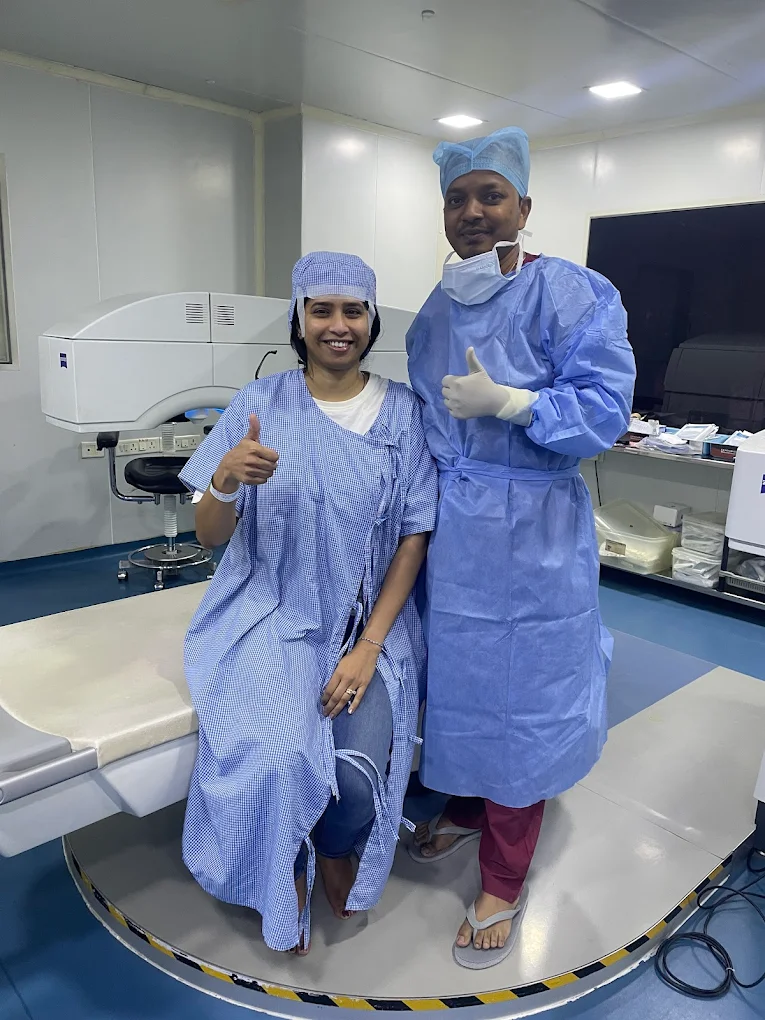
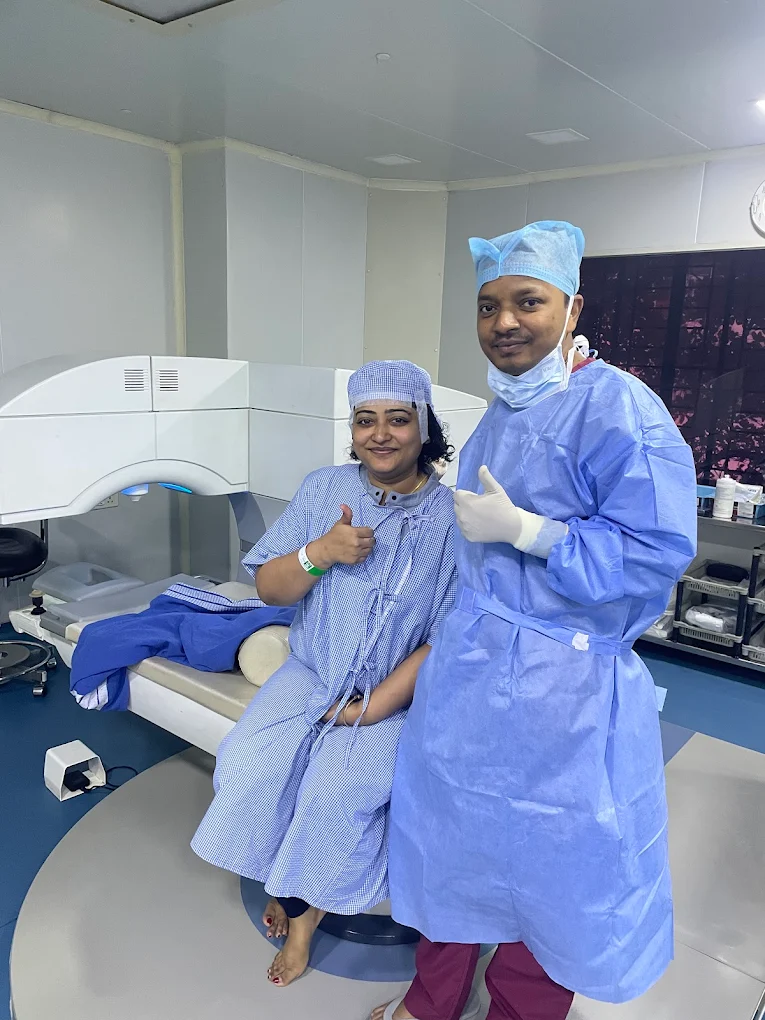
Topography-guided surface ablation (T-Cross) is an advanced treatment that reshapes the cornea using a laser. This procedure is used to smooth out the irregularities caused by keratoconus and improve vision. It is typically performed in conjunction with corneal cross-linking and is beneficial for patients with more advanced stages of keratoconus.
Why Choose Kiran Eye Hospital for Keratoconus Treatment?
Experienced Ophthalmologists: Our team, led by Dr. Kiran Kumar and Dr. Vandana M. Kiran, has extensive experience in diagnosing and treating keratoconus using the latest technologies and techniques.
Advanced Technology: We use state-of-the-art diagnostic equipment to assess the condition of your cornea and provide the most effective treatment options available.
Personalized Treatment: We offer customized care to suit each patient’s needs, ensuring the best possible outcome.
Comprehensive Care: From diagnosis to treatment and recovery, we provide holistic care to manage and treat keratoconus at all stages.
Choosing Kiran Eye Hospital for your keratoconus treatment ensures that you will receive expert care using advanced technologies to preserve and improve your vision.
Keratoconus Hospital in Bangalore | Best Eye Hospital
Frequently Asked Questions (FAQs)
What is keratoconus?
Keratoconus is a condition where the cornea becomes thin and bulges into a cone shape, causing vision distortion.
Can keratoconus be treated without surgery?
Yes, early-stage keratoconus can be managed with glasses, contact lenses, or corneal cross-linking.
Is corneal transplant the only option for advanced keratoconus?
No, there are other treatments like Intacs and topography-guided surface ablation for advanced cases.
How can I get better treatment for keratoconus?
Book your appointment at Kiran Eye Hospital for personalized care and advanced treatment options for keratoconus.
Comprehensive Vision Care For Every Stage of Life
From childhood through the senior years, Kiran Eye Hospital provides expert, personalized eye care designed to meet the unique vision needs of every stage of life.
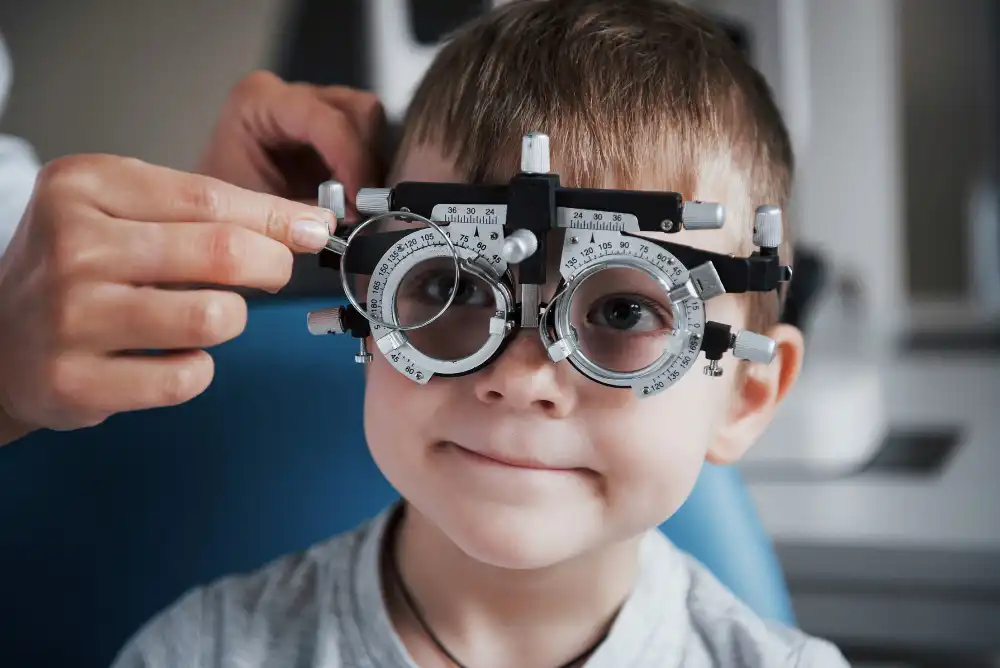
Paediatric Vision Care
Dedicated pediatric eye specialists providing gentle, personalized care for children’s developing vision.
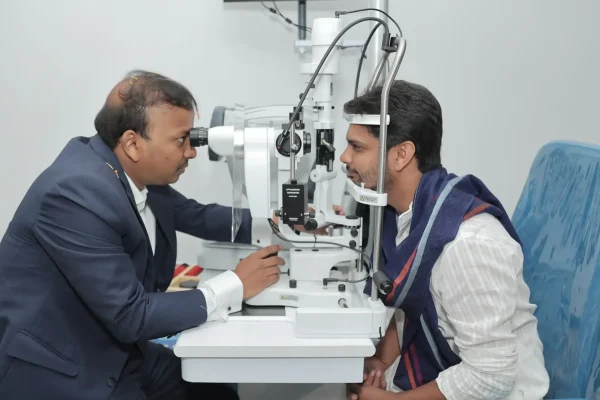
Preventive Eye Care
Proactive eye care for young adults, helping maintain healthy vision and prevent future eye problems.
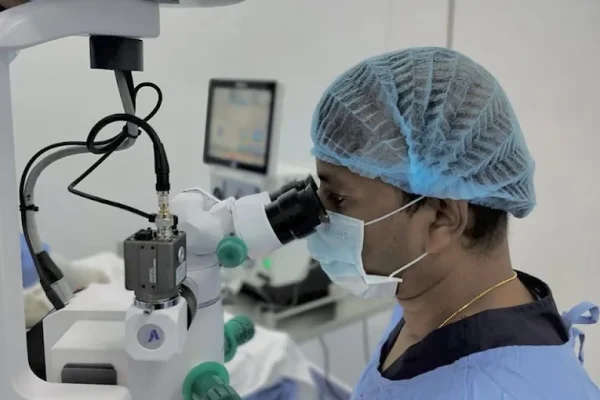
Midlife Eye Health
Focused care for middle-aged vision needs, offering customized treatments to manage changing eye health.
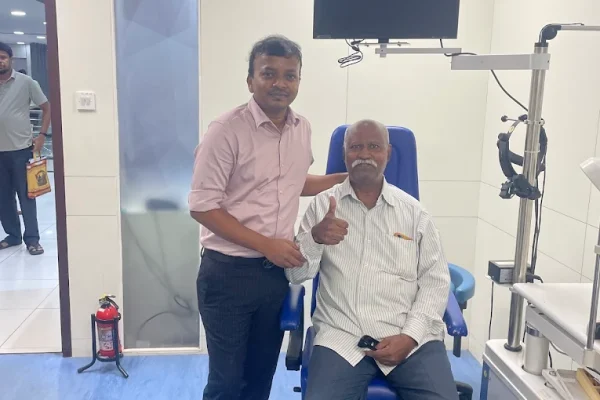
Senior Eye Care
Specialists in age-related eye conditions, providing advanced treatments to protect and improve vision in older adults.