
Myopia Treatment
Bangalore’s Best Eye Surgeons Providing Advanced Myopia Treatment
Our Services
Testimonials
Myopia Treatment in Bangalore
Myopia, commonly known as nearsightedness, is a refractive eye condition where objects up close are seen clearly, but those at a distance appear blurry. This condition occurs when the eye is too long or the cornea has too much curvature, causing light entering the eye to focus in front of the retina rather than directly on it. As a result, distant objects appear out of focus.
At Kiran Eye Hospital, we specialize in diagnosing and treating myopia using the latest advancements in refractive surgery, corrective lenses, and specialized treatments. Whether you’re struggling with blurry vision at a distance or tired of relying on glasses and contact lenses, we offer personalized treatment options to improve your vision.

Thousands of Successful Cataract Surgeries
Years of experience performing safe and effective cataract procedures.
Experienced Eye Specialists
Dedicated ophthalmologists specializing in cataract, glaucoma, retina, and comprehensive eye care.
Advanced Surgical Technology
Modern techniques including micro-incision cataract surgery and advanced intraocular lenses.
Patient-Centered Care
Personalized treatment plans, transparent pricing, and complete pre- and post-operative support.
What is Myopia?
Myopia is a common refractive error that affects millions of people worldwide. It occurs when the shape of the eye prevents light from focusing directly on the retina, leading to blurry vision for distant objects. Myopia can develop gradually or rapidly, and it typically begins in childhood or adolescence, often stabilizing in early adulthood.
Causes of Myopia
The exact cause of myopia is not fully understood, but it is believed to result from a combination of genetic and environmental factors. Some of the common causes and risk factors include:
Genetics: A family history of myopia increases the likelihood of developing the condition. If both parents are myopic, a child has a higher risk of becoming nearsighted.
Environmental Factors: Prolonged near work, such as reading, using a smartphone, or working on a computer, has been linked to an increased risk of developing myopia. Studies suggest that lack of time spent outdoors may also contribute to the condition.
Eye Shape: Myopia typically occurs when the eyeball is too long, or the cornea is too curved, causing light to focus in front of the retina instead of directly on it.
Symptoms of Myopia
The primary symptom of myopia is blurred vision for distant objects. People with myopia may experience:
Difficulty seeing road signs, movie screens, or the board in a classroom.
Squinting to improve focus.
Eye strain or fatigue when trying to focus on distant objects.
Headaches due to eye strain.
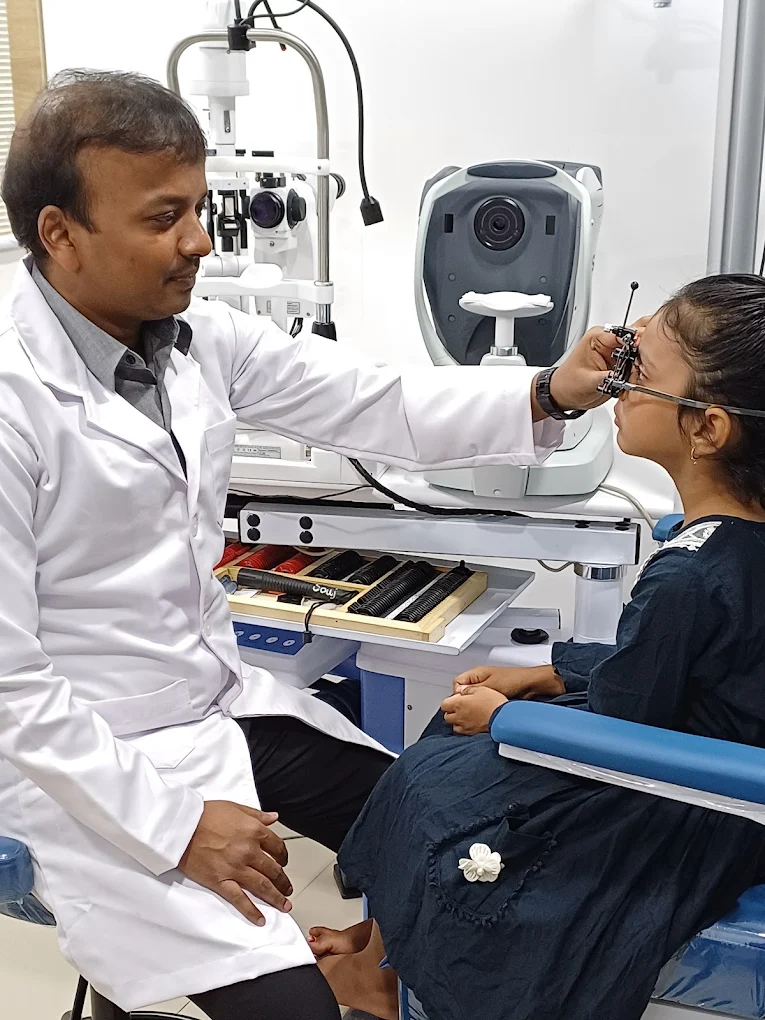
If you experience any of these symptoms, it’s essential to schedule an eye exam to determine if you have myopia and discuss possible treatment options.
Treatment Options for Myopia
There are several treatment options available for myopia, depending on the severity of the condition. At Kiran Eye Hospital, we offer personalized treatment plans to help you achieve clearer vision.
1. Eyeglasses and Contact Lenses
For most people with myopia, eyeglasses or contact lenses are the simplest and most effective way to correct vision. Eyeglasses are typically the first choice, providing a safe and easy solution to blurry vision. Contact lenses offer a more convenient alternative for people who prefer not to wear glasses.
Eyeglasses: Glasses for myopia use concave lenses that help focus light properly on the retina, allowing you to see distant objects clearly.
Contact Lenses: Rigid gas permeable (RGP) or soft contact lenses are commonly used to correct myopia. They work by reshaping the eye’s surface and improving focus.
2. Orthokeratology (Ortho-K)
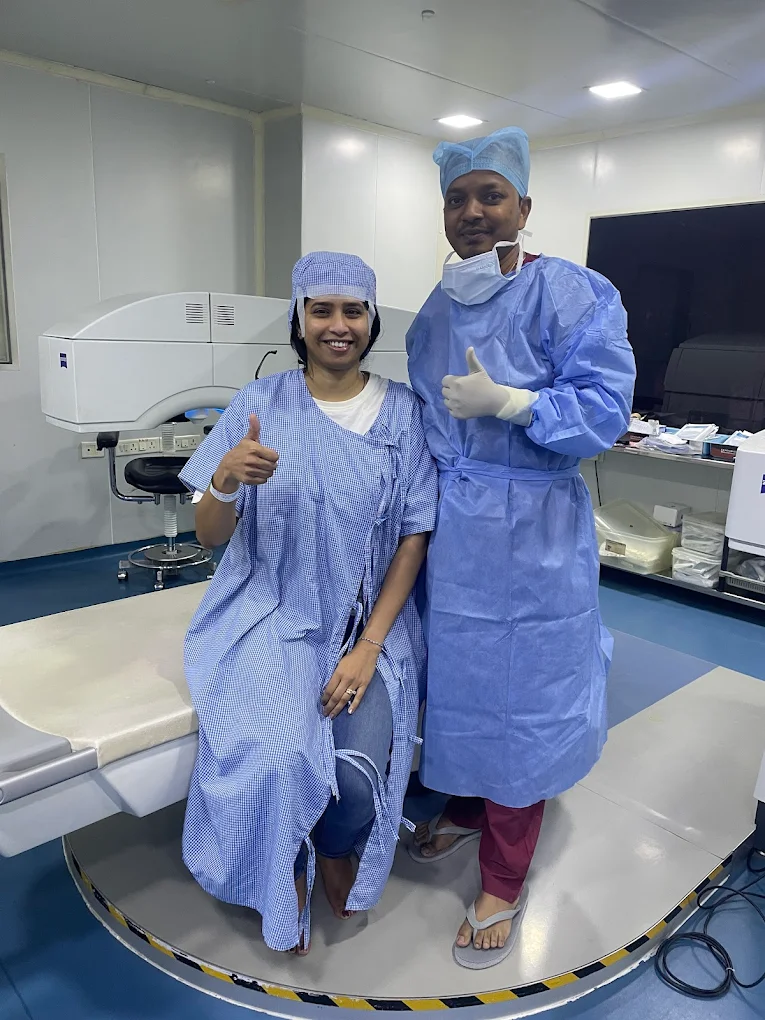
Orthokeratology is a non-surgical treatment option that uses specially designed contact lenses to reshape the cornea temporarily while you sleep. These lenses are worn overnight and removed during the day, providing clear vision without the need for glasses or contact lenses throughout the day. It’s a popular treatment for mild to moderate myopia.
3. Refractive Surgery (LASIK & SMILE)
For patients who wish to reduce their dependence on glasses or contact lenses permanently, refractive surgery may be an excellent option. The two most common types of laser surgery for myopia are:
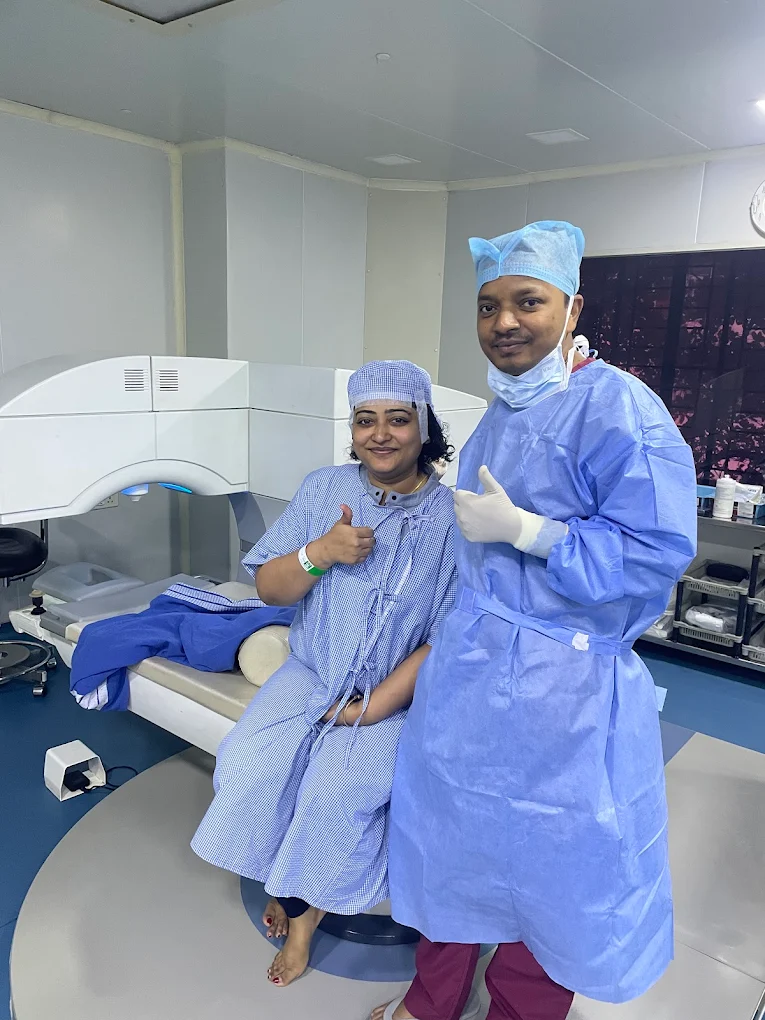
LASIK (Laser-Assisted in Situ Keratomileusis): LASIK surgery reshapes the cornea using a laser, allowing light to focus properly on the retina. This is one of the most popular and effective surgical options for myopia.
SMILE (Small Incision Lenticule Extraction): SMILE is a minimally invasive surgery that removes a small piece of corneal tissue to reshape the cornea and correct myopia. This procedure has a faster recovery time and fewer complications compared to LASIK.
4. Phakic Intraocular Lenses (PIOLs)
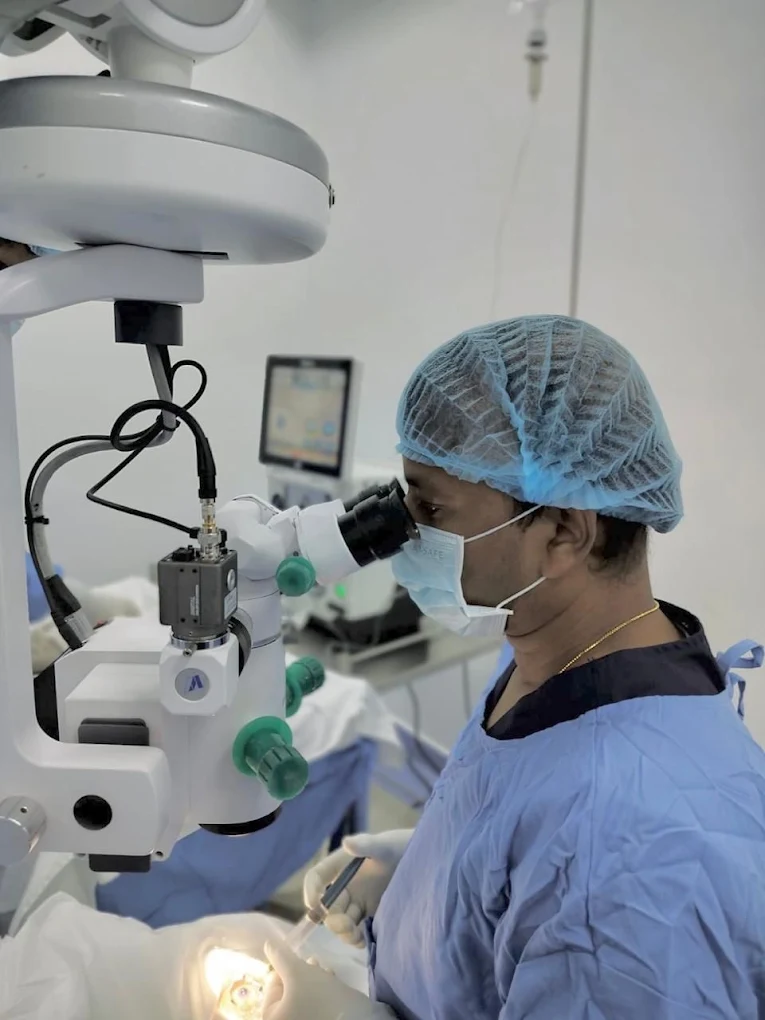
Phakic intraocular lenses are lenses that are surgically implanted into the eye to correct high degrees of myopia. PIOLs are ideal for individuals with severe myopia who may not be candidates for LASIK or other types of refractive surgery.
Myopia Control for Children
Myopia often begins in childhood and can progress as a child grows. Early intervention is key to managing the progression of myopia and preventing high levels of refractive error. Some options for controlling myopia in children include:
Atropine Eye Drops: Low-dose atropine eye drops have been shown to slow the progression of myopia in children by relaxing the focusing muscles of the eye.
Multifocal Contact Lenses: These special contact lenses help reduce the progression of myopia by allowing different parts of the lens to focus at varying distances.
Orthokeratology: As mentioned earlier, Ortho-K lenses can slow the progression of myopia in children while providing clear vision during the day.
Recovery from Myopia Treatment
The recovery time for myopia treatment depends on the specific treatment option chosen:
Eyeglasses and Contact Lenses: There is no recovery time for glasses or contacts; they provide immediate vision correction.
Orthokeratology: After a few weeks of wearing the lenses, most patients experience improved vision. The results are temporary, and the lenses need to be worn regularly to maintain clear vision.
LASIK and SMILE Surgery: Recovery from laser eye surgery is typically quick. Many patients experience improved vision within 24 hours, and most can return to their normal activities within a day or two. Full recovery may take a few weeks.
Why Choose Kiran Eye Hospital for Myopia Treatment?
At Kiran Eye Hospital, we provide comprehensive and personalized care for patients with myopia. Our experienced ophthalmologists, advanced diagnostic tools, and cutting-edge technology ensure that you receive the best possible treatment for your vision. Whether you need corrective lenses, surgery, or myopia control for children, we offer a range of options tailored to your specific needs.
Myopia Correction | Myopia Treatment in Bangalore
Frequently Asked Questions (FAQs)
What is Myopia?
Myopia is a refractive error where distant objects appear blurry, and close objects are clear.
Can Myopia Be Corrected Permanently?
Yes, LASIK and SMILE surgeries offer permanent solutions for myopia by reshaping the cornea.
Is Myopia Common?
Yes, myopia is a very common condition that affects millions of people worldwide, especially in children and young adults.
How can I Get Better Treatment For Myopia?
Book your appointment at Kiran Eye Hospital for personalized care and advanced treatment options for myopia.
Comprehensive Vision Care For Every Stage of Life
From childhood through the senior years, Kiran Eye Hospital provides expert, personalized eye care designed to meet the unique vision needs of every stage of life.
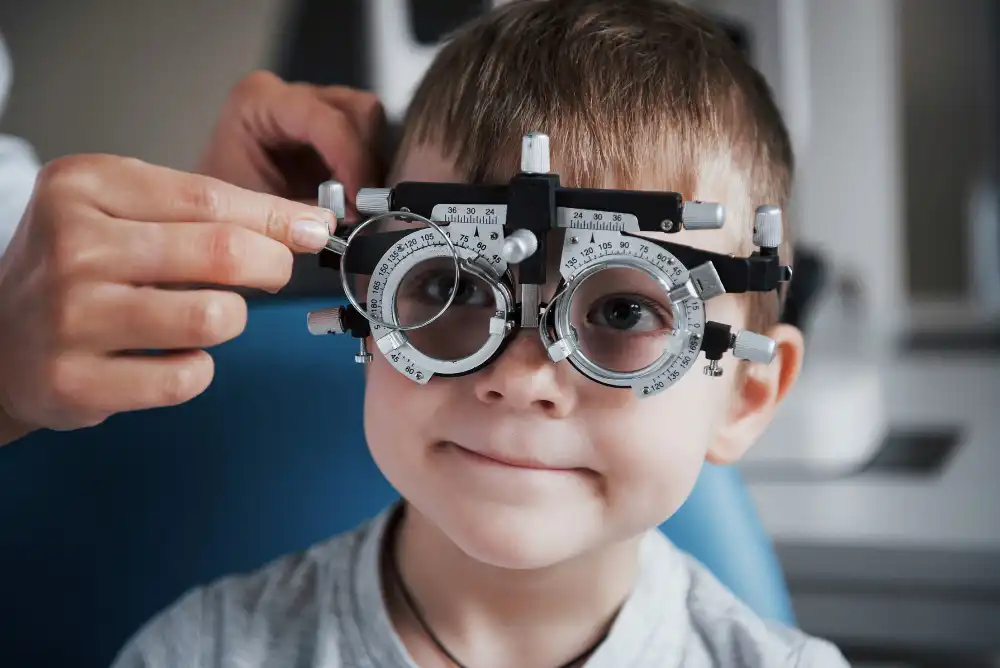
Paediatric Vision Care
Dedicated pediatric eye specialists providing gentle, personalized care for children’s developing vision.
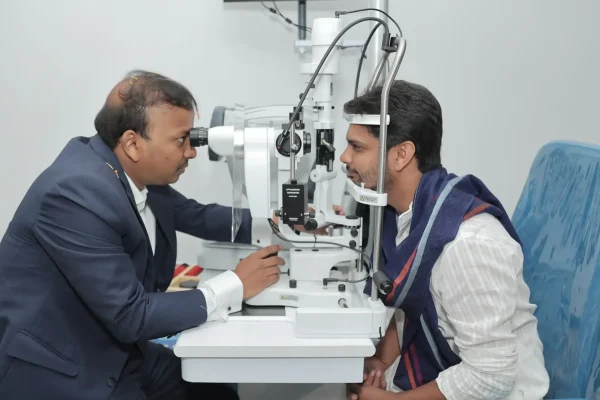
Preventive Eye Care
Proactive eye care for young adults, helping maintain healthy vision and prevent future eye problems.
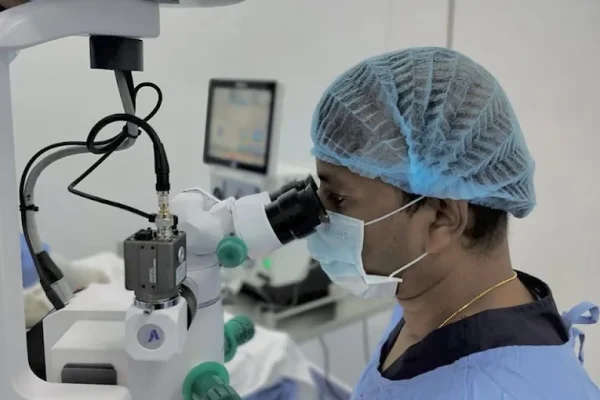
Midlife Eye Health
Focused care for middle-aged vision needs, offering customized treatments to manage changing eye health.
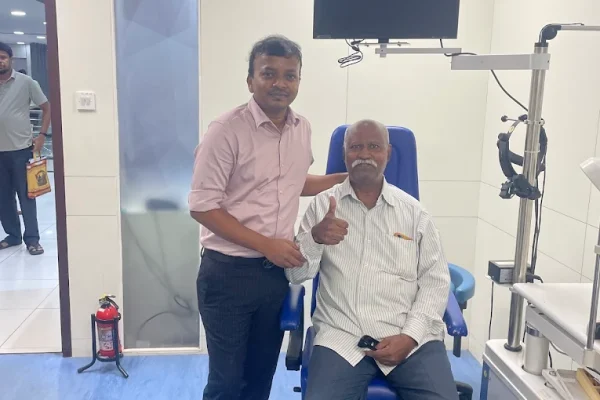
Senior Eye Care
Specialists in age-related eye conditions, providing advanced treatments to protect and improve vision in older adults.